SQL (Structured Query Language) is one of the most essential skills of a programmer. I would rate this skill similar to UNIX if you are a professional programmer because it doesn't matter whether you are Java, C++, or a .NET developer, you are bound to write SQL queries. Since a database is an integral part of any modern Java or Web application, the Interviewer always preferred candidates with excellent SQL skills. Now, the big question comes, how a programmer can learn SQL? Does just knowing how to query a table is enough? If you remember, insert, update, delete, and select, then are you a competent SQL programmer?
What about indexes, query plans, triggers, views, stored procedures, and
other advanced SQL concepts? What about writing complex queries
involving joins, subqueries, derived tables, etc.? Well, all those are very important to be a competent full-stack developer.
I started learning SQL from my college days, and I am hooked to it because of its simplicity and power. I also found writing SQL queries exciting and challenging, similar to solving programming puzzles, but my SQL skills don't improve a lot for a long time, Why? Because I was satisfied with the limited knowledge of insert, update, delete, and select.
I knew how to join multiple tables, and I thought I knew the whole SQL. Well, I was wrong, and my misconception hit severely when I started working on a project involving Murex, which has a vast database in Sybase with hundreds of tables, stored procedures, and other database objects.
At that time, I started learning advanced SQL, particularly Sybase and SQL Server. My quest also results in lots of good books to learn SQL, database design, normalization, and improve your SQL query skills, and this article is a collection of such books.
Though I have a separate collection of database-specific books, like books, to learn SQL Server, Sybase, or Oracle, I am only sharing books to learn generic and standard SQL, which applies to all relational databases, also known as ANSI SQL in this article. I'll write separate articles about SQL Server and Oracle books.
If you want to learn quickly, you can also combine these books with some of the comprehensive and engaging online SQL courses like The Complete SQL Bootcamp by Jose Pottila on Udemy. It's an incredible course full of useful information and practical tips to learn and master SQL very quickly.
So, what are we waiting for? Let's start with this list.
I have been recommending this book to beginner programmers for years, and they always thank me for that. You can use this book for theory, for example, and understanding fundamental concepts of SQL, like Joins, Subqueries, Normalization, and a little bit of database design.
If you are an active learner like me then you can also combine this book with The Complete SQL Bootcamp: Go From Zero To Hero course by Jose Portilla on Udemy which is full of hands-on SQL exercises and lectures. It's also very affordable and you can buy this course for just %9.9 on Udemy sales which happen every now and then.

The
third edition of "SQL All-in-One For Dummies" by Allen G. Taylor stands
as a comprehensive resource with a stellar rating of 4.6 out of 5 from
920 ratings. Geared towards a wide audience, from database
administrators to application programmers, this book provides clear and
concise explanations of the SQL language and its diverse applications
within relational databases. I started learning SQL from my college days, and I am hooked to it because of its simplicity and power. I also found writing SQL queries exciting and challenging, similar to solving programming puzzles, but my SQL skills don't improve a lot for a long time, Why? Because I was satisfied with the limited knowledge of insert, update, delete, and select.
I knew how to join multiple tables, and I thought I knew the whole SQL. Well, I was wrong, and my misconception hit severely when I started working on a project involving Murex, which has a vast database in Sybase with hundreds of tables, stored procedures, and other database objects.
At that time, I started learning advanced SQL, particularly Sybase and SQL Server. My quest also results in lots of good books to learn SQL, database design, normalization, and improve your SQL query skills, and this article is a collection of such books.
Though I have a separate collection of database-specific books, like books, to learn SQL Server, Sybase, or Oracle, I am only sharing books to learn generic and standard SQL, which applies to all relational databases, also known as ANSI SQL in this article. I'll write separate articles about SQL Server and Oracle books.
If you want to learn quickly, you can also combine these books with some of the comprehensive and engaging online SQL courses like The Complete SQL Bootcamp by Jose Pottila on Udemy. It's an incredible course full of useful information and practical tips to learn and master SQL very quickly.
7 Best Books to learn SQL and Database for Beginners in 2026
It doesn't matter whether you are a beginner programmer, just started your software development career or an experienced software professional with years of experience, you will find some of the books refreshing. You will learn a lot in terms of SQL concepts, database design, and SQL query skills.So, what are we waiting for? Let's start with this list.
1. Head First SQL
This is the best book for any SQL beginners. I like the Head First style for their innovative teaching with diagrams, fireside chats, puzzles, explanations, and highlight the most important concepts.I have been recommending this book to beginner programmers for years, and they always thank me for that. You can use this book for theory, for example, and understanding fundamental concepts of SQL, like Joins, Subqueries, Normalization, and a little bit of database design.
If you are an active learner like me then you can also combine this book with The Complete SQL Bootcamp: Go From Zero To Hero course by Jose Portilla on Udemy which is full of hands-on SQL exercises and lectures. It's also very affordable and you can buy this course for just %9.9 on Udemy sales which happen every now and then.
2. SQL All-in-One For Dummies
In
a rapidly evolving landscape where businesses are transitioning from
spreadsheets to SQL databases like Access, Microsoft SQL Server, Oracle
databases, MySQL, and PostgreSQL, this edition serves as a one-stop shop
for anyone involved in designing, developing, and maintaining these
databases.
The
book addresses the challenges that may arise in SQL database creation
and management, keeps readers informed about the latest SQL updates and
capabilities, and serves as a valuable reference for querying SQL-based
databases in the SQL language.
Emphasizing
the significance of relational databases in today's organizations, "SQL
All-In-One For Dummies" offers timely and detailed insights for those
seeking a robust understanding of SQL databases and queries.
A
newer edition is also coming which means the book remains up-to-date,
reflecting the dynamic nature of SQL technology. If you need active
learning, you can also combine this book with the Complete Intro to SQL & PostgreSQL by Brian Holt course , its a nice SQL course for beginners. "Learning
SQL: Generate, Manipulate, and Retrieve Data, 3rd Edition" by Alan
Beaulieu has earned a commendable rating of 4.6 out of 5 from 465
ratings, making it a well-received resource in the field of SQL
education.

In
this latest edition, Beaulieu guides developers through the essentials
of SQL, providing a solid foundation for writing database applications,
executing administrative tasks, and generating reports. As organizations
grapple with the influx of data, SQL emerges as a vital tool, and this
guide equips developers to harness its power effectively.
The
book covers SQL basics and delves into advanced features, including new
chapters on SQL and big data, analytic functions, and working with very
large databases. Each chapter is designed as a self-contained lesson,
featuring numerous illustrations and annotated examples to facilitate
understanding. The inclusion of exercises enables readers to practice
and reinforce the skills they acquire.
The
book also emphasizes the importance of SQL knowledge for interacting
with data, making it an essential resource for those looking to leverage
the language's power and flexibility.
Whether
you are a beginner or seeking to enhance your SQL proficiency,
"Learning SQL" provides a comprehensive and practical guide to
navigating SQL concepts and techniques, and if you need a course, you
can also combine this with the SQL for Newbs: Data Analysis for Beginners course on Udemy.

This book will help you to avoid the common mistake every SQL developer makes. If you don't know about SQL mistakes, it's also an excellent book to learn about them. Again, one of the must-read SQL books for programmers who are serious about improving their SQL and database design skills.
If you are learning SQL for data science then I also suggest you check out this SQL for Data Science course on Udemy which will teach you how to understand and write large queries which you often need while working with real-world data.

The book is really advanced, and some of the problems are tough even for seasoned SQL programmers. Even though you will solve the problem, a good chance is that you will also learn a new way to answer the same question by reading explanations.
In short, one of the best SQL books for experienced programmers who want to improve their SQL query skills.

P.S. - Along with books, online training courses on platforms like Udemy, Coursera, and Pluralsight are also useful to learn fundamentals and build skills. If you need some excellent classes to learn SQL and Database, I suggest you check this list of Top 5 SQL Courses for Programmers on HackerNoon to level up your SQL skill and learn new tricks to do well on your day-to-day job.
4. SQL Antipatterns
To be successful, it's not just essential to do the right things, but it is also necessary to avoid mistakes that can hamper your success. This universal truth is also applicable to SQL. It's just not enough to know all the best practices in the SQL world and keep repeating silly mistakes like using SELECT * query or having duplicate columns.This book will help you to avoid the common mistake every SQL developer makes. If you don't know about SQL mistakes, it's also an excellent book to learn about them. Again, one of the must-read SQL books for programmers who are serious about improving their SQL and database design skills.
If you are learning SQL for data science then I also suggest you check out this SQL for Data Science course on Udemy which will teach you how to understand and write large queries which you often need while working with real-world data.
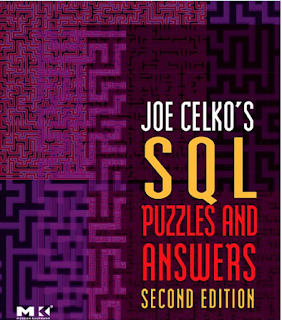
5. SQL Puzzles and Answers by Joe Celko
I didn't know about this book until last year, but ever since I come to know about it, I just fall in love. It's a great book to improve your SQL query skills. I always like to solve SQL query-based problems because they are also an excellent exercise for your mind, and this book is full of such issues.The book is really advanced, and some of the problems are tough even for seasoned SQL programmers. Even though you will solve the problem, a good chance is that you will also learn a new way to answer the same question by reading explanations.
In short, one of the best SQL books for experienced programmers who want to improve their SQL query skills.
6 . Beginning SQL queries
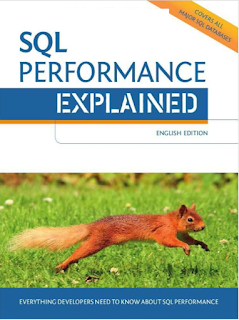
This is another beginner book, probably for the absolute beginner who doesn't know how to write SQL queries. As the title suggests, this book will help you not only to write SQL queries but also to write correct SQL queries and help you to become a professional SQL developer. Not a must-read, but a good SQL book for beginners.7. SQL Performance Explained by Markus Winand
If I say that whatever I know about SQL indexes is due to this book, then it won't be wrong. I had a lot of misconceptions about database indices and didn't know how their order can affect performance.I didn't even know what is table scan, index scan is, and index seeks, and, in general, how does index works in SQL in detail until to learn how indexing work and how they affect query performance.
This is an excellent book from Markus Winand, and I thank him a lot for explaining such an essential topic in great detail. One of the must-read SQL books for every programmer.
That's all in this list about 5 great books to learn and master SQL. To be honest, it's easy to learn SQL, but it's tough to master it; that's why the last two books SQL Performance Explained and SQL Anti-Patterns are significant for both SQL developer and Java/C# developers who deal with databases and SQL.
Other Books and Courses Recommendations for Programmers
Thanks for reading this article so far. If you like these best SQL and
Database books, then please share them with your friends and colleagues.
If you have any questions or feedback, then please drop a note.This is an excellent book from Markus Winand, and I thank him a lot for explaining such an essential topic in great detail. One of the must-read SQL books for every programmer.
That's all in this list about 5 great books to learn and master SQL. To be honest, it's easy to learn SQL, but it's tough to master it; that's why the last two books SQL Performance Explained and SQL Anti-Patterns are significant for both SQL developer and Java/C# developers who deal with databases and SQL.
Other Books and Courses Recommendations for Programmers
- 10 Algorithm books for Programmers and Software engineers (see here)
- 7 Free Courses to learn SQL and Database for Beginners (courses)
- 5 Books to improve your Coding Skill (see here)
- 10 Courses to learn Data Structure and algorithms (classes)
- 10 Books Every Programmer Should Read (see here)
- My Favorite courses to learn MySQL database (courses)
- 10 Tips and 101 Problems to Crack Coding Interviews (tips)
- 5 Books to learn Java 8 and Functional Programming (see here)
- My favorite free courses to learn Java in-depth (courses)
- 5 Books to prepare Programming/Coding Interviews (see here)
- 10 Courses to Crack Programming Job Interviews (courses)
- 5 Books to learn Concurrent programming and multi-threading (see here)
- Top 5 Courses to learn Java Concurrency in-depth (courses)
- 6 Books to learn Hibernate framework for Java developers (see here)
- 5 books to learn Spring framework for Java developers (see here)
- 5 of the Best courses to learn Spring Boot (courses)
P.S. - Along with books, online training courses on platforms like Udemy, Coursera, and Pluralsight are also useful to learn fundamentals and build skills. If you need some excellent classes to learn SQL and Database, I suggest you check this list of Top 5 SQL Courses for Programmers on HackerNoon to level up your SQL skill and learn new tricks to do well on your day-to-day job.
No comments:
Post a Comment